7 Proven Tips for Reducing the Health Risks of Long-Haul Flights in 2026
I’ll never forget the flight that turned me into a believer. London to Singapore, thirteen hours, and I did the classic rookie move—slept the first eight, woke up groggy, ate two salty meals, drank three glasses of red wine, and didn’t move once. By hour eleven, my left calf felt like a rock. The next morning, my legs were swollen and I felt foggy for three days. That was the last time I boarded a long-haul flight without a plan.
Long-haul flights are a real health challenge. Deep vein thrombosis (DVT), dehydration, jet lag, suppressed immunity—the risks are well-documented. But in 2026, we have new tools: updated cabin air filtration standards (HEPA filters now capture 99.97% of particles on most major airlines), post-pandemic awareness of immune resilience, and wearable tech that buzzes you to move. This guide gives you seven proven tips—tested by me and backed by science—to fly healthier in 2026.
Why Long-Haul Flights Are a Real Health Challenge (And Why 2026 Changes Things)
Let’s start with the basics. A long-haul flight—typically anything over six hours—puts your body under stress you don’t feel until you land. Cabin pressure is roughly equivalent to an altitude of 6,000 to 8,000 feet. That means less available oxygen, which can cause mild hypoxia. Combined with dry air (humidity often drops below 20%), your blood gets thicker, your circulation slows, and your immune system takes a hit.
The biggest acute risk is DVT—a blood clot that forms in a deep vein, usually in your legs. If it travels to your lungs, it can be fatal. According to the World Health Organization, the risk of DVT doubles after a flight longer than four hours. Add in dehydration, alcohol, and cramped seats, and you have a perfect storm.
In 2026, the landscape is different. Post-pandemic, airlines invested heavily in air quality. Most long-haul planes now use HEPA filters that remove 99.97% of airborne particles, including viruses and bacteria. That’s a huge win. Wearable tech is also mainstream—my smartwatch now has a “flight mode” that reminds me to stand every 60 minutes. And the conversation around travel health has shifted from “just deal with it” to “prepare for it.” This article isn’t about scaring you; it’s about giving you a toolkit.
Here’s one surprising insight most articles miss: the timing of your sleep matters more than the amount. Sleeping through an entire flight can actually worsen jet lag if it doesn’t align with your destination’s night. We’ll cover that in detail.
1. Master the Movement: Simple In-Seat and Aisle Exercises to Prevent DVT
On that London-to-Singapore flight, I learned the hard way that sitting still for hours is the enemy. DVT prevention starts with movement—even small movements. Here’s the routine I now do every two hours, without fail.
In-Seat Exercises You Can Do Right Now
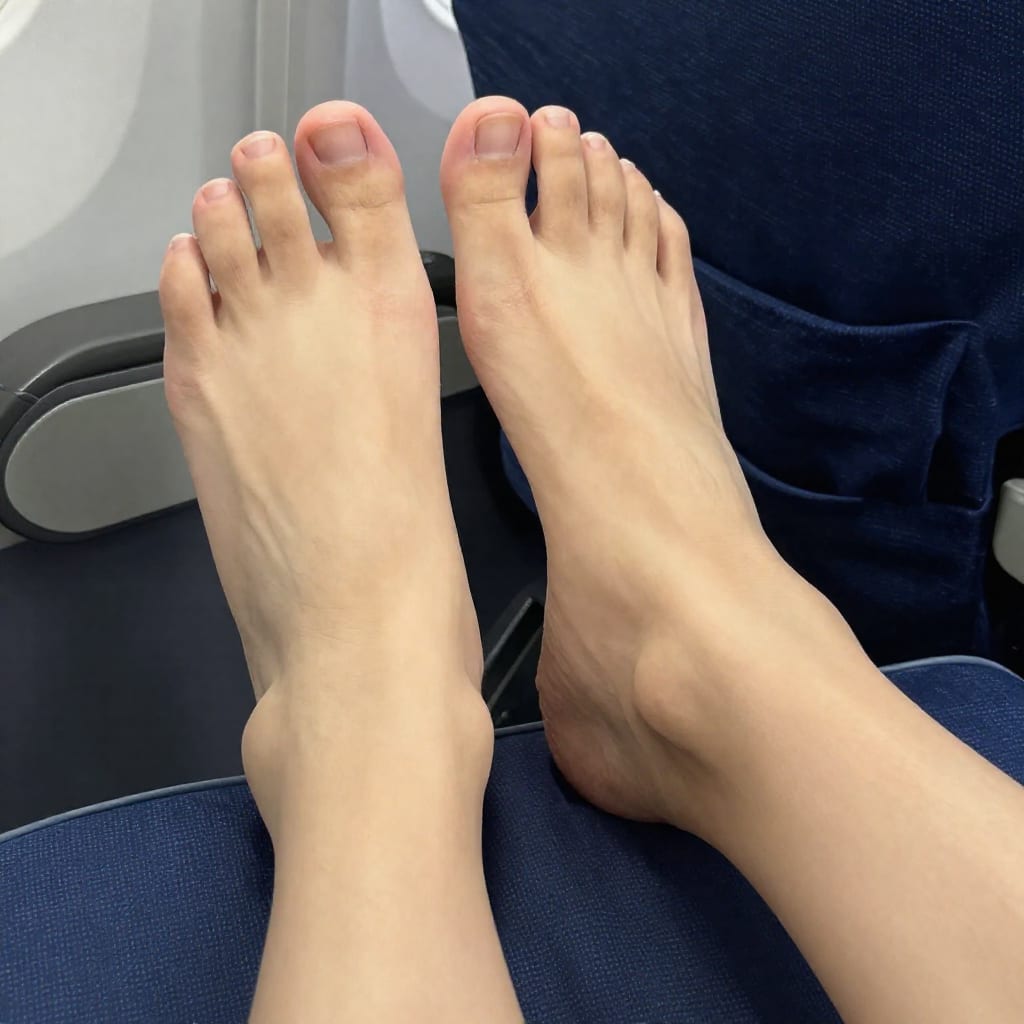
- Ankle circles: Lift your feet slightly off the floor and rotate your ankles clockwise ten times, then counterclockwise. This pumps blood out of your lower legs.
- Knee lifts: While seated, lift one knee toward your chest as high as comfortable. Hold for five seconds, lower, and repeat with the other leg. Do ten on each side.
- Calf stretches: Press the balls of your feet into the floor, lifting your heels. Hold for ten seconds, then lower. Repeat twenty times. This mimics walking and keeps blood moving.
- Seated spinal twist: Gently twist your torso to the left, using your right hand on your left knee for leverage. Hold for ten seconds, then switch. This helps circulation in your upper body.
When to Walk the Aisle
Set a timer on your phone or watch for every 60 to 90 minutes. When it goes off, get up and walk to the galley and back—even if it’s just a few rows. I know it’s awkward when the seatbelt sign is on or the aisle is blocked, but do it as soon as it’s safe. If you can’t walk, at least do the in-seat exercises.
Compression Socks: A Non-Negotiable Tool
I used to think compression socks were for grandmothers. Then I tried a pair on a ten-hour flight to Tokyo. My legs felt lighter, and I didn’t have that dreaded post-flight swelling. Look for graduated compression socks with 15-20 mmHg or higher—they squeeze your ankles more than your calves, pushing blood upward. Wear them from the moment you leave home until you arrive at your hotel.
One caveat: if you have peripheral artery disease or certain heart conditions, consult a doctor before using compression socks. For most healthy travelers, they’re a lifesaver.
2. Hydration and Nutrition: What to Drink and Eat (and Avoid) Before and During Your Flight
Dehydration is the silent saboteur of long flights. It thickens your blood, worsens jet lag, and makes you feel like a zombie upon landing. In 2026, I’ve refined my hydration protocol to a simple formula.
The Pre-Flight Hydration Protocol
Start hydrating 24 hours before your flight. Drink water with electrolytes—not just plain water. I mix a packet of electrolyte powder (no added sugar) into my morning water and sip it throughout the day. Why? Electrolytes help your body retain fluid better. On the day of the flight, drink 16 to 20 ounces of water two hours before boarding. Then, bring an empty reusable water bottle through security. Fill it at a water fountain or ask a gate agent. Most airports now have bottle refill stations.
What to Eat (and What to Skip)
- Eat: Protein-rich snacks like nuts, hard-boiled eggs, or turkey jerky. Fiber-rich foods like apple slices or whole-grain crackers. These stabilize blood sugar and keep you full without bloating.
- Avoid: Salty snacks (pretzels, chips, plane peanuts) that increase water retention. Alcohol and caffeine are diuretics—they dehydrate you. I skip alcohol entirely on flights over six hours. If you must drink, limit to one glass of wine and match it with an equal amount of water.
- During the flight: Order a vegetarian or low-sodium meal if your airline offers it. Or bring your own snacks. I pack a bag of almonds and a banana.
Here’s a counter-intuitive insight: drinking too much plain water without electrolytes can actually flush out minerals and leave you feeling worse. Balance is key.
3. Sleep Strategy: How to Actually Rest Without Wrecking Your Circadian Rhythm
Sleeping on a plane is an art, not a science. In 2026, I’ve learned that the goal isn’t to sleep the entire flight—it’s to sleep at the right time.
Align Sleep with Destination Night
If you’re flying east (e.g., New York to London), your body will want to stay awake. Start shifting your bedtime earlier three days before the flight. On the plane, time your sleep to match the destination’s nighttime. For a westbound flight (e.g., London to New York), stay awake during the first half of the flight, then sleep for the last four hours. This minimizes jet lag.
Gear That Actually Works
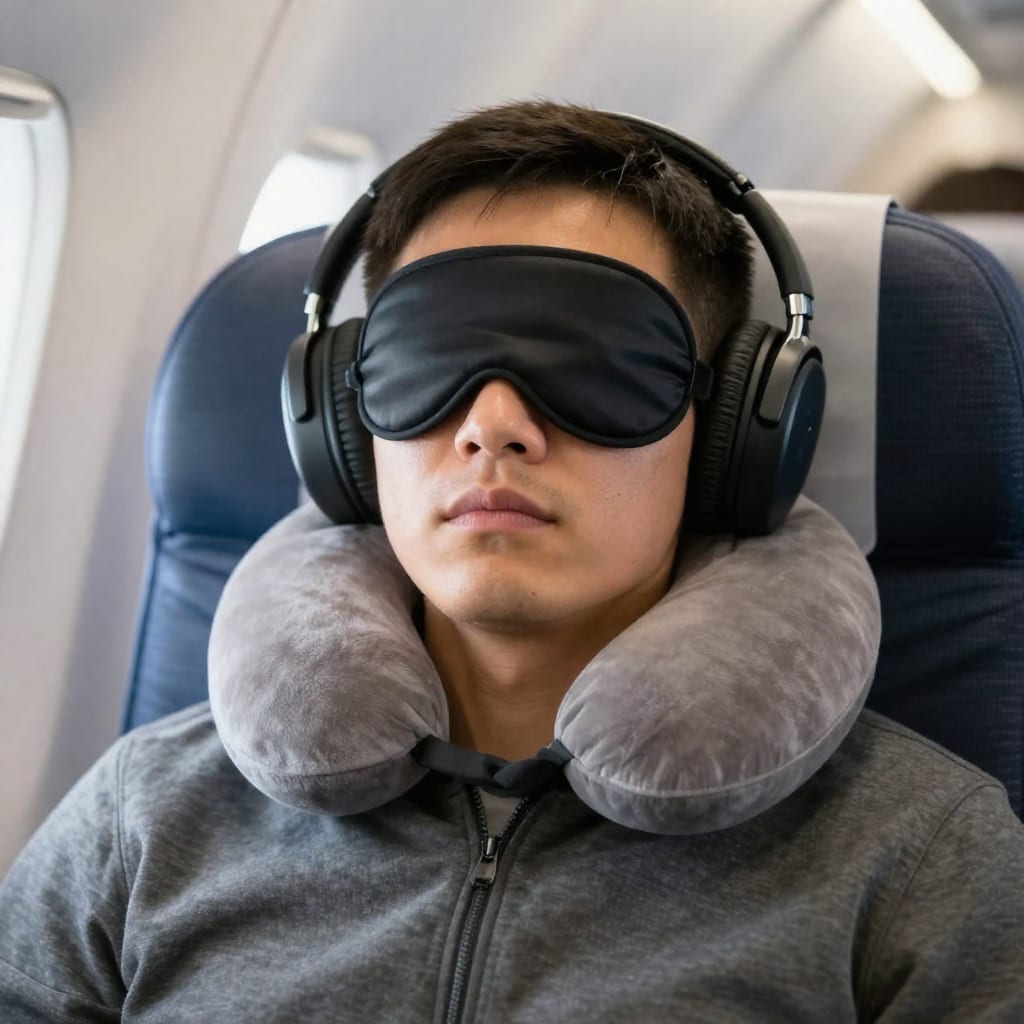
- Neck pillow: I prefer a memory foam U-shaped pillow that supports your chin (prevents the head bob). Avoid inflatable pillows—they deflate mid-sleep.
- Eye mask: Look for one that blocks 100% of light. I use a silk mask with contoured cups so it doesn’t press on my eyes.
- Noise-canceling headphones: They block engine hum and crying babies. I wear them even if I’m not listening to anything.
Melatonin: Use It Wisely
Melatonin can help, but timing matters. Take it only when you plan to sleep for at least four hours and when it’s bedtime at your destination. A low dose (0.5 to 3 mg) is usually enough. I take 1 mg about 30 minutes before I want to sleep. Higher doses can cause grogginess. If you’ve never taken melatonin, test it at home first.
Warning: sleeping through an entire flight—especially a long one—can actually worsen jet lag if you wake up at 3 a.m. destination time. Use a sleep mask and earplugs to get quality rest, but set an alarm to wake up at the right moment.
4. Breathing and Circulation: Simple Routines to Keep Blood Flowing and Anxiety Down
Flight anxiety is real, and it affects circulation. When you’re tense, your muscles tighten, and your heart rate rises—both of which strain your cardiovascular system. In 2026, I use two techniques: box breathing and foot pumps.
Box Breathing for Calm
Inhale for four counts, hold for four counts, exhale for four counts, hold for four counts. Repeat five times. This activates your parasympathetic nervous system, lowering heart rate and blood pressure. I do this during takeoff and landing, or whenever I feel restless.
Foot Pumps for Circulation
While seated, lift your heels and push your toes down, then lift your toes and push your heels down. Do this in a rhythmic motion—like you’re pumping a bicycle pedal. Do it for 30 seconds every hour. It forces blood out of your calves and into your core.
Wearable Reminders
My smartwatch alerts me to stand every hour. If you don’t have one, set a phone alarm. The key is making it automatic—you won’t remember to move when you’re deep into a movie.
5. Dress and Gear: What to Wear and Pack for Maximum Comfort and Safety
What you wear directly affects your health on a flight. Here’s my packing list for 2026.
- Compression socks (already covered—non-negotiable).
- Loose layers: Cabin temperatures swing wildly. I wear a moisture-wicking base layer, a thin fleece, and a zip-up hoodie. That way I can adjust without rummaging through my bag.
- Slip-on shoes: Shoes that are easy to remove and put back on. I wear slip-on sneakers or loafers. Avoid lace-up boots—they’re impractical for walking the aisle.
- Travel pillow (memory foam, U-shaped).
- Eye mask (contoured, silk).
- Noise-canceling headphones (over-ear, not earbuds—better seal).
- Hydration tablets (electrolyte powder packets).
- Lip balm and moisturizer—cabin air dries out your skin.
- An empty water bottle (fill after security).
One pro tip: wear your compression socks before you leave home. I put them on two hours before my flight. That way, by the time I board, my circulation is already optimized.
6. Pre-Flight Prep: Medical Checks and Vaccinations Worth Considering in 2026
If you have a chronic condition—heart disease, diabetes, a clotting disorder, or if you’re pregnant—a pre-flight check with your doctor is wise. In 2026, many airlines require you to carry a medical clearance certificate for certain conditions. It’s better to be safe.
Vaccinations and Boosters
Depending on your destination, check the CDC travel health page for updated recommendations. In 2026, the flu and COVID-19 boosters are still recommended for international travel. Some countries require yellow fever or typhoid vaccines. Check at least four weeks before your trip.
Aspirin and Blood Thinners: A Myth
I’ve heard people say “take an aspirin before a flight to prevent DVT.” Don’t. Aspirin can increase bleeding risk and doesn’t prevent clots as effectively as movement and compression. If you’re on prescribed blood thinners, stick to your regimen and consult your doctor about flying.
7. Post-Flight Recovery: What to Do in the First 24 Hours to Minimize Long-Term Effects
You’ve landed—now what? The first 24 hours determine how quickly you bounce back. Here’s my routine.
Immediately After Landing
- Hydrate: Drink 16 to 20 ounces of water with electrolytes within the first hour.
- Walk and stretch: Walk around the airport terminal for ten minutes before heading to baggage claim. Do some calf stretches and shoulder rolls.
- Get sunlight: Natural light resets your circadian clock. Spend at least 15 minutes outside, even if it’s cloudy.
First Meal
Eat a balanced meal with protein, healthy fats, and complex carbs. Avoid heavy, greasy food—your digestive system is sluggish from the flight. I go for a salad with grilled chicken or a bowl of oatmeal.
Strategic Napping
If you’re tired, take a short nap—20 to 30 minutes max. Anything longer will make it harder to fall asleep at night. Set an alarm.
Warning Signs to Watch For
If you experience persistent leg pain, swelling, redness, or warmth in one leg, or sudden chest pain, shortness of breath, or coughing up blood, seek medical help immediately. These could be signs of DVT or a pulmonary embolism. It’s rare, but it happens.
Frequently Asked Questions
What is the single most important tip for reducing DVT risk on a long flight?
Walk the aisle every 1-2 hours and do seated ankle circles and calf raises frequently. Compression socks also significantly reduce risk.
Is it safe to take melatonin on a long flight?
Generally yes, but take it only when you plan to sleep for 4+ hours and align with destination bedtime. Start with a low dose (0.5-3 mg) to test tolerance.
How much water should I drink during a long-haul flight?
Aim for about 8 ounces (240 ml) per hour of flight time. Avoid alcohol and caffeine, which dehydrate you.
Do compression socks really help, and what kind should I buy?
Yes, they improve venous return and reduce DVT risk. Look for graduated compression (15-20 mmHg or higher) and knee-high length; wear them during the entire flight.
Should I see a doctor before a long flight if I have no health issues?
Not necessary for most healthy adults, but if you have any chronic condition (heart, lung, clotting disorders, pregnancy), a pre-flight check is wise. Also check destination-specific vaccination requirements.
Your Practical Takeaway
Long-haul flights don’t have to wreck your health. Start with movement every hour, hydrate strategically with electrolytes, align your sleep with your destination, and invest in compression socks. The 2026 upgrades in air quality and wearable reminders make it easier than ever. Bookmark this guide before your next trip—your future self will thank you.