How to Budget on an Irregular Freelance Income
Budgeting is hard enough with a steady paycheck. When your income swings from a great month to a scary one, the usual advice can feel useless, even mocking. But freelancers, gig workers, and anyone living on commission or tips can absolutely budget well; the trick is to stop budgeting around what you hope to earn and start building a system that absorbs the ups and downs for you. Here is how to bring real calm to an unpredictable income, step by step.
Find your baseline: budget off your low months
The foundation of variable-income budgeting is a conservative baseline. Look back over the last six to twelve months and find a low but typical monthly income, not your single best month and not an outright disaster month. That realistic floor is the number you build your essential budget on, the income you can count on even when work is slow.
By covering your needs with the baseline, you ensure the must-pay bills are handled even during a quiet stretch. Anything you earn above the baseline then becomes surplus that you assign on purpose, rather than money that quietly evaporates into lifestyle creep. This single mindset shift, planning from the floor instead of the ceiling, removes most of the stress that comes with an uneven income, because your basic life no longer depends on having a good month.
Pay yourself a steady salary from a buffer
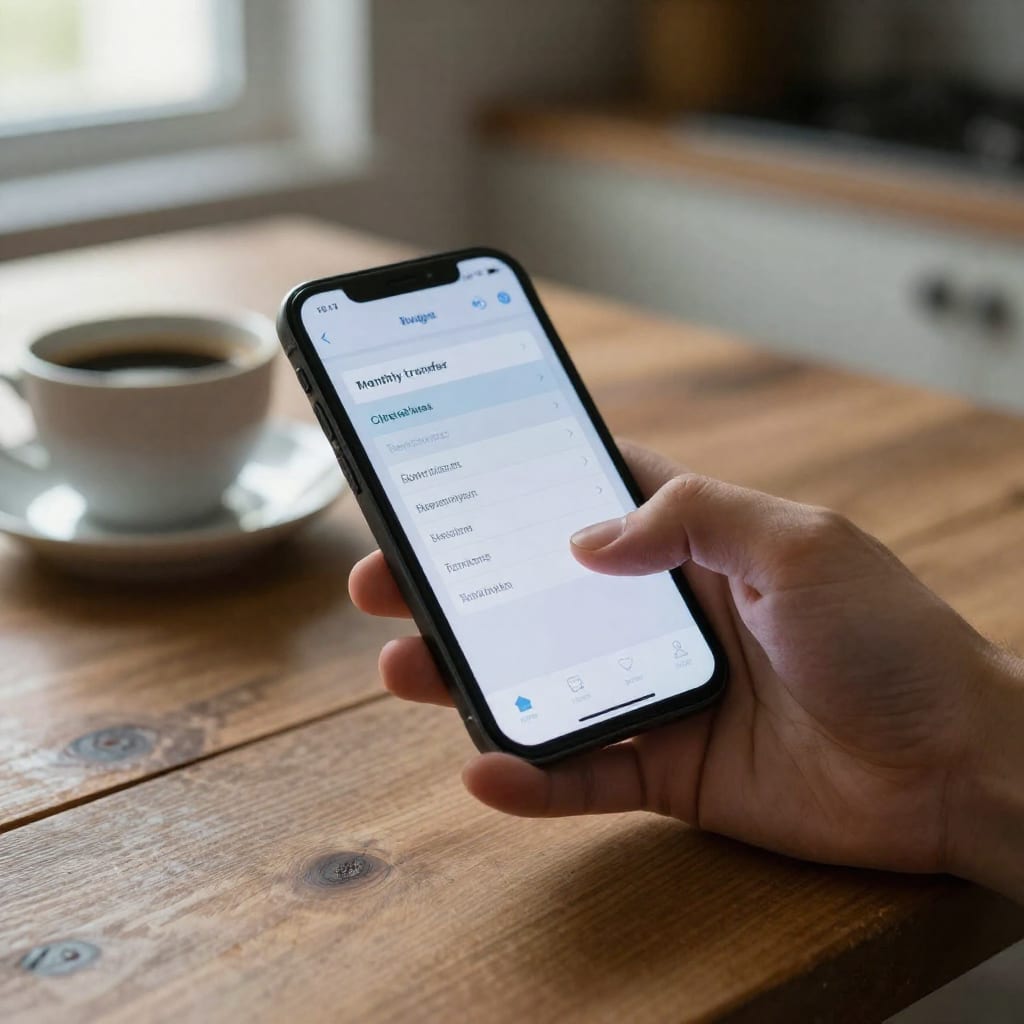
Here is the technique that changes everything for irregular earners. Instead of spending whatever lands in a given month, route all of your income into a holding account, then pay yourself a fixed amount on the same day each month, like a salary you set for yourself. In big months the holding account builds up a surplus; in lean months it covers the gap, so your personal budget feels steady even though the underlying business income is anything but.
It takes a little savings to get this started, so build the buffer gradually, treating your first few good months as buffer-building time rather than spending sprees. Once the buffer exists, the monthly chaos largely disappears, because you have essentially manufactured a regular paycheck for yourself out of irregular income. Pair this with an emergency fund for a second layer of protection, and a feast-or-famine income starts to feel almost like a salary.
Set aside taxes before you touch the money
When taxes are not automatically withheld for you, the money sitting in your account is not all actually yours, and forgetting this is how freelancers end up with a painful surprise bill. The moment income arrives, move a percentage of it into a separate tax savings account and mentally pretend that money does not exist, because it does not.
A common rule of thumb is to reserve somewhere around a quarter to a third of your income for taxes, but the right number genuinely depends on your situation, so check official guidance or talk to a tax professional rather than guessing. The point is to set it aside automatically and early, so the bill is already fully covered when it eventually comes due, instead of scrambling to find the money at the last minute. This one habit prevents the single most common freelance financial disaster.

Prioritize your spending in tiers
With variable income, it helps enormously to rank your spending in tiers so you always know what gets funded first when money is tight. The top tier is survival: housing, food, utilities, minimum debt payments, and your tax set-aside. The next tier is important but flexible, like extra debt payoff and savings goals. The lowest tier is the genuine nice-to-haves, the wants.
Fund the tiers strictly in order each month. In a strong month you reach the lower tiers comfortably and even get ahead; in a weak one you cover the top tier and simply pause the rest without guilt or panic, knowing the essentials are safe. This tiered approach turns an uneven income into a clear, calm set of priorities instead of a monthly scramble. A simple monthly budget gives you the categories to slot neatly into these tiers.
Build the buffer before you need it
The buffer that lets you pay yourself a steady salary does not appear overnight, so be deliberate about building it during the good stretches. Set a target, such as one full month of your baseline pay sitting in the holding account, and funnel surplus toward it until you hit that mark before you relax.
Until the buffer is built, lean conservative: pay yourself a bit less than the baseline so the surplus can accumulate faster. It feels slow at first, but the month you finally have a full cushion is the month the income roller coaster stops feeling scary. From then on, a slow month is just a quiet month, not a crisis, because the buffer quietly fills the gap while you keep working.
Use good months to get ahead
Strong months are not a signal to inflate your lifestyle; they are a precious chance to get ahead while you can. Direct the surplus toward refilling your income buffer, topping up your emergency fund, knocking down debt, and funding sinking funds for known irregular costs that you can see coming.
Deciding in advance exactly where extra money goes stops it from quietly disappearing into impulse spending during the flush times, which is the trap that keeps many freelancers permanently anxious despite decent earnings. That discipline in the good months is precisely what makes the lean months survivable. Build a baseline, pay yourself a steady salary, set aside taxes first, and put surpluses to work. With that system running, an irregular income stops feeling like a roller coaster and starts feeling manageable. The freelancers who feel calmest about money are almost never the highest earners; they are the ones who built this kind of system and then trusted it. Give yourself a few months to get the buffer and the tax account established, and the same income that once felt terrifying starts to feel completely manageable, even ordinary. The income stays bumpy, but your life on top of it gets smooth. This article is general education, not personalized financial or tax advice.